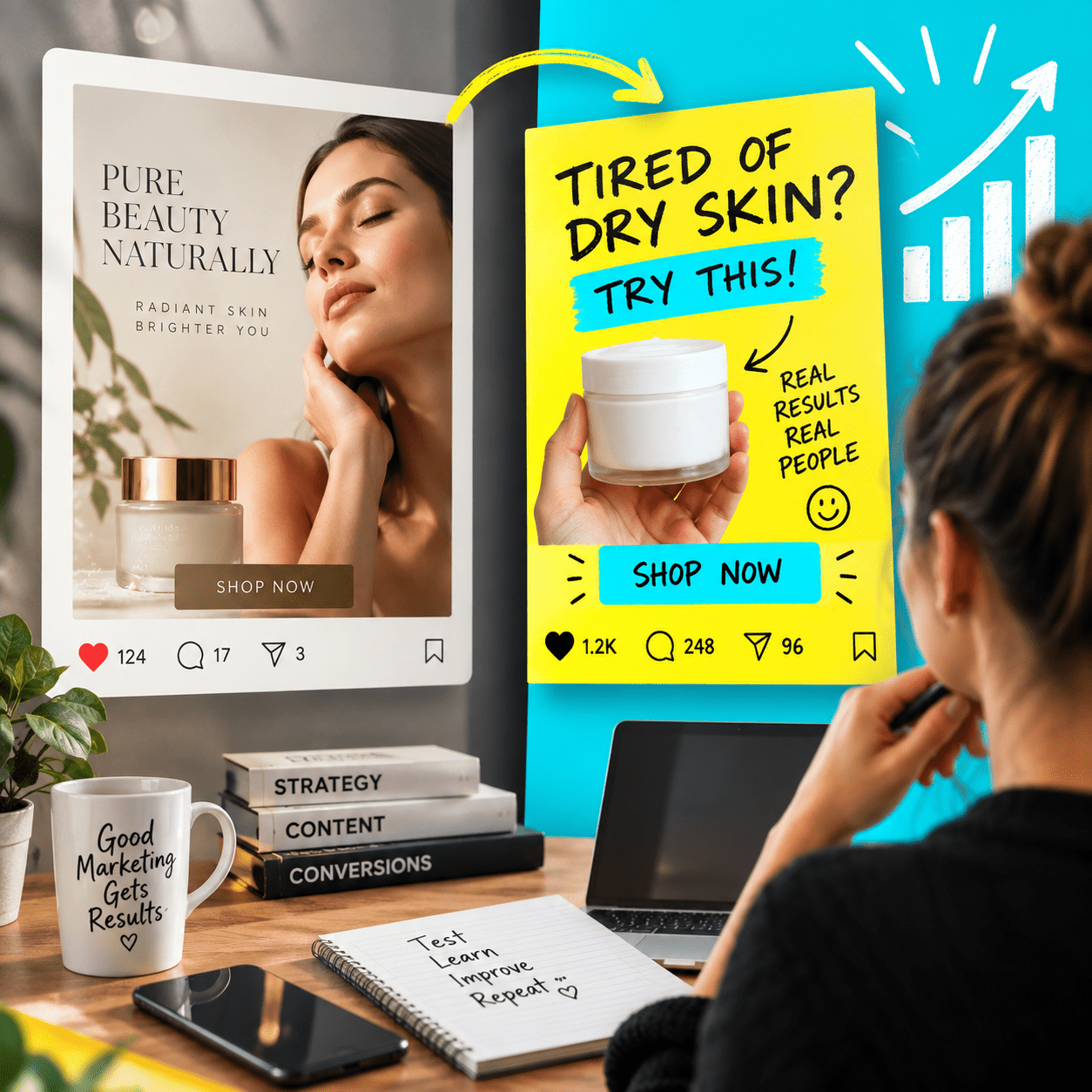
Starting an e-commerce business is an exciting venture, but consistent effort and strategic planning are essential for success. It’s crucial to remember that your online store is just a payment gateway—a tool to facilitate transactions. True success lies in building a brand and promoting it through multiple avenues, reaching potential customers wherever they are. Beyond paid ads and social media posts, there are numerous ways to promote your business and attract clients. This guide outlines the steps to establish your e-commerce store and the daily, weekly, and monthly tasks you should perform to grow your business.
Getting Started: Building Your E-Commerce Business
- Choose a Niche: Identify a specific audience and product category that aligns with market demand. Use tools like Google Trends to analyze interest in your product ideas.
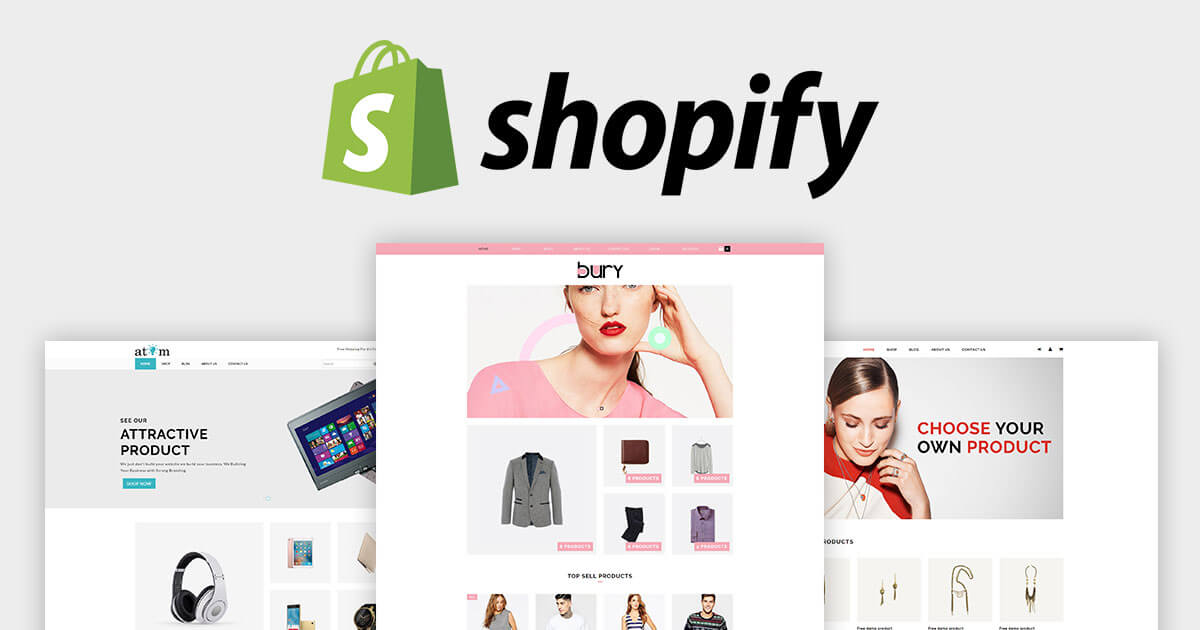
- Set Up Your Online Store: Use platforms like Shopify, BigCommerce, or Hostinger to build a professional website. Ensure it is mobile-friendly, easy to navigate, and optimized for SEO.
- Build Your Brand: Develop a memorable logo, brand colors, and a consistent voice for your communications.
- Source Products: Decide whether you’ll manufacture, resell, or dropship products. Focus on quality and reliability.
- Set Up Payment & Shipping: Offer multiple payment gateways like PayPal or Stripe and partner with reliable shipping providers.
Remember: Your e-commerce site is primarily a tool for completing sales. The bulk of your effort should be in driving traffic to that site through diverse channels.
Daily Tasks

- Engage with Customers:
- Respond promptly to customer inquiries via email or chat.
- Follow up on orders to ensure customer satisfaction.
- Monitor Analytics:
- Track website traffic, sales conversions, and abandoned carts using tools like Google Analytics.
- Identify trends or issues that need immediate attention.
- Social Media Engagement:
- Post engaging content (beyond promotions) such as behind-the-scenes photos or customer testimonials.
- Reply to comments and direct messages on platforms like Instagram or Facebook.
- Reach Out to Potential Buyers:
- Send personalized messages to potential clients via LinkedIn or email.
- Connect with influencers or micro-influencers in your niche for collaborations.
- Stock Management:
- Monitor inventory levels daily to avoid stockouts or overstocking.
Weekly Tasks
- Content Creation:
- Write blog posts related to your niche (e.g., product guides or industry trends).
- Create video tutorials or product demos for YouTube.
- Networking & Outreach:
- Contact local fitness stores, boutiques, or other relevant retailers about stocking your products.
- Attend local events or trade shows to showcase your brand.
- Email Marketing Campaigns:
- Send newsletters with updates on new products, promotions, or industry news.
- Segment your email list to target specific groups with tailored offers.
- Promotional Activities:
- Distribute flyers at shopping centers or community hubs.
- Organize contests or giveaways that encourage user-generated content (UGC) on social media.
- Website Updates:
- Update product descriptions with fresh keywords for SEO optimization.
- Add new images, customer reviews, or testimonials to product pages.
Monthly Tasks
- Performance Reviews:
- Analyze monthly sales data and marketing campaign results.
- Identify high-performing products and adjust inventory accordingly.
- Collaborations & Partnerships:
- Partner with local businesses for cross-promotions (e.g., a fitness studio promoting your activewear).
- Explore affiliate marketing opportunities where bloggers or influencers earn commissions for driving sales.
- Community Engagement:
- Host workshops or webinars related to your niche (e.g., a skincare brand hosting a session on self-care routines).
- Sponsor local events to build brand visibility.
- Optimize Operations:
- Review shipping processes and negotiate better rates with carriers.
- Update policies based on customer feedback (e.g., return policies).
- Plan Seasonal Promotions:
- Prepare for upcoming holidays by creating themed campaigns (e.g., Valentine’s Day discounts).
- Run limited-time flash sales to create urgency among customers.
Additional Tips for Growth

- Leverage Local Marketing: Collaborate with community centers or gyms to display your flyers or posters.
- Host Pop-Up Events: If feasible, organize pop-up shops in busy areas to attract foot traffic.
- Referral Programs: Encourage existing customers to refer friends by offering discounts or rewards.
- Abandoned Cart Recovery: Use email reminders with incentives like free shipping for customers who leave items in their cart.
By consistently performing these tasks and experimenting with creative marketing strategies, you can build a thriving e-commerce business that attracts loyal customers without solely relying on paid ads. Never forget that your e-commerce store is just one touchpoint. Actively drive traffic to it through consistent branding and varied marketing efforts. Your focus should be on building your brand and reaching your audience where they are, then guiding them to your store to complete their purchase.